

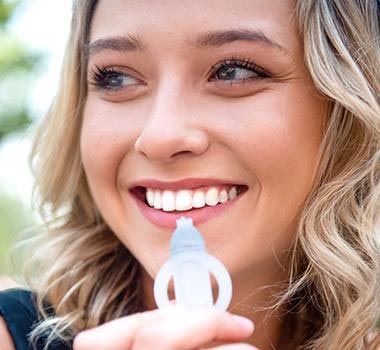
People who feel self-conscious about their teeth often do everything they can to minimize their smiles, keeping their lips together in photos and holding back in conversations where they once would have spoken up freely. The fear of getting cosmetic dental treatments is what stops many people from addressing concerns they have carried for years. The benefits of cosmetic dentistry, though, go well beyond appearances.
At Kabani Dental in Marietta, Georgia, Dr. Shaila Kabani and her team have helped patients throughout Marietta, East Cobb, Vinings, and Smyrna discover what modern cosmetic dentistry can do for their smiles and their overall oral health. With over 20 years of experience and more than 300 hours of advanced clinical education, Dr. Kabani brings a detailed, personalized approach to every cosmetic consultation.
What Is Cosmetic Dentistry?
Cosmetic dentistry refers to procedures designed to improve the look of your teeth, gums, and overall smile. Even small improvements can have a meaningful impact on confidence. Cosmetic dental procedures include everything from teeth whitening and porcelain veneers to dental crowns and bonding.
What many people do not realize is that cosmetic dentistry also focuses on restoring the function of teeth, not only improving how they look. Although the primary goal of dental veneers is to cover discoloration or uneven tooth surfaces, they can also protect teeth with enamel that has become too thin. According to the American Dental Association’s MouthHealthy resource, many cosmetic procedures carry meaningful oral health benefits alongside esthetic improvements.
Benefits of Cosmetic Dentistry
Getting cosmetic dentistry done may feel like a big commitment, but the advantages extend well beyond how you look. Here are three often-overlooked benefits that are worth knowing before you decide whether to pursue treatment.
1. Cosmetic Dentistry Can Strengthen Your Teeth
If you have damaged or missing teeth, cosmetic dental procedures can bring your teeth back to a healthier, more functional state. Dental crowns protect natural teeth from further wear and tear while restoring their original shape. Bonding and veneers can reinforce teeth that have been weakened by acid erosion or minor fractures.
Your dentist will never compromise the structural integrity of your teeth for the sake of appearance alone. In many cases, addressing a cosmetic concern simultaneously resolves an underlying structural one, which means you are protecting your long-term oral health at the same time you are improving your smile.
2. Cosmetic Dental Procedures May Be Covered by Insurance
While cosmetic procedures are generally not covered by dental insurance in a purely elective context, there is a meaningful exception worth exploring. Most insurance plans will allow partial or full coverage if a procedure is deemed restorative in nature. A crown placed to protect a structurally compromised tooth, for example, is often covered in whole or in part even when the esthetic outcome is a motivating factor.
It is worth confirming coverage with your insurance provider before any procedure, since policies vary. Our team at Kabani Dental can also review your benefits with you during your consultation to help clarify what may be covered and what out-of-pocket costs to expect.
3. Cosmetic Results Look Completely Natural
One of the most persistent concerns people have about cosmetic dentistry is that the results will look artificial or obviously different from their natural teeth. Modern materials and techniques have made this concern largely obsolete. Today’s porcelain veneers, crowns, and composite bonding are designed to match the color, translucency, and texture of natural enamel with remarkable precision.
The goal is always a result that looks like it belongs in your mouth, because the best cosmetic work is the kind that no one detects. Patients who have been holding back because they feared an unnatural outcome are often surprised by how naturally the results blend in.
Schedule Your Cosmetic Dentistry Consultation at Kabani Dental
If you have concerns about the way your smile looks, cosmetic dental procedures can help. There are many options available, from simple whitening to comprehensive smile design, and the right approach depends entirely on your goals and oral health needs. Dr. Kabani’s two decades of experience and commitment to advanced continuing education mean that patients throughout the Marietta area receive care that is both esthetically thoughtful and grounded in sound dental health principles.
We would love to help you find the right approach for your smile. Contact us today to schedule a consultation at Kabani Dental.
Frequently Asked Questions About Cosmetic Dentistry
What cosmetic dentistry procedures does Kabani Dental offer?
Kabani Dental offers a range of cosmetic dental services including teeth whitening, porcelain veneers, composite bonding, and dental crowns. During your consultation, Dr. Kabani will evaluate your smile and discuss which options best align with your goals and oral health needs.
Is cosmetic dentistry covered by dental insurance?
Coverage depends on your specific plan and the nature of the procedure. Purely elective cosmetic work is generally not covered, but procedures that also serve a restorative function, such as a crown placed to protect a damaged tooth, may be partially or fully covered. Our team can help you review your benefits before your appointment.
How do I know which cosmetic dental procedure is right for me?
The best cosmetic dental approach depends on your specific goals, the current condition of your teeth and gums, and your budget. A consultation with Dr. Kabani is the most reliable way to get a personalized recommendation. She will assess your oral health, discuss your priorities, and outline realistic options tailored to you.
Does cosmetic dentistry hurt?
Most cosmetic dental procedures involve minimal to no discomfort. Local anesthesia is used for any procedure that involves the tooth structure, and many esthetic treatments, such as whitening and bonding, are entirely comfortable. Any mild sensitivity that follows a procedure typically resolves within a few days.