

Composite Filling in Marietta, GA
A cracked tooth or a new cavity can throw off your whole week, especially when you are not sure what kind of repair you actually need. Modern dentistry has moved well beyond metal fillings, giving patients a restorative option that repairs damage while blending naturally with the rest of the smile.
At Kabani Dental, we use composite fillings to treat decay, chips, and cracks, restoring both function and appearance in a single visit. Dr. Shaila Kabani has practiced dentistry since 2000 and brings over 300 hours of continuing education to every restorative procedure she performs, giving Marietta patients fillings that are built to last and carefully matched to their natural tooth color.
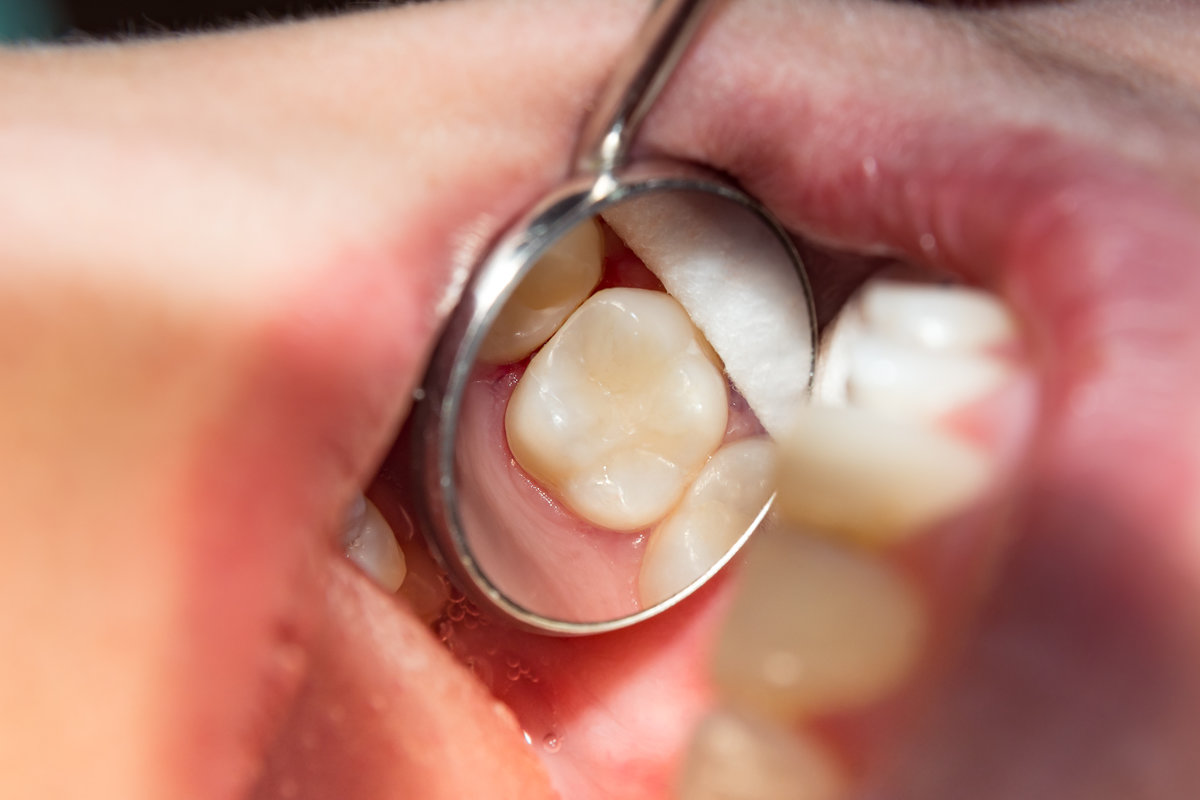 What Is a Composite Filling?
A composite filling is a tooth-colored, restorative treatment used to repair a tooth after decay, a chip, or a small crack has damaged its structure. The material is a resin Dr. Kabani applies directly to the tooth in soft layers, shaping it to match the natural contour of the surrounding enamel before hardening it into place.
This is different from composite bonding, which is typically used as a cosmetic procedure to reshape or improve the appearance of front teeth. A composite filling addresses actual damage to the tooth, such as a cavity caused by decay or a crack from an injury, and its goal is to restore strength and function rather than purely improve aesthetics. Patients exploring both options can also learn more about our approach to cosmetic dentistry to understand which treatment best matches their needs.
Tooth decay remains extremely common among adults, which is one reason restorative fillings are among the most frequently performed procedures in general dentistry. According to the National Institute of Dental and Craniofacial Research, nearly 90 percent of adults ages 20 to 64 have experienced decay in their permanent teeth, with an average of more than nine decayed, missing, or filled teeth in that age range. Composite fillings give patients a straightforward way to treat that decay before it progresses into a more involved problem.
Signs You May Need a Composite Filling
Many patients do not realize they have a cavity or minor fracture until it starts causing discomfort, which is why routine visits matter as much as reacting to symptoms. Catching the issue early typically means a simpler, less invasive repair.
Common signs a composite filling may be needed include the following.
- Sensitivity: sharp discomfort when eating something hot, cold, or sweet often indicates decay that has reached the inner layers of a tooth.
- Visible damage: a small chip, crack, or dark spot on a tooth is frequently a sign the enamel has broken down.
- Rough edges: a tooth that feels rough or catches on the tongue may have a cavity forming along its surface.
- Lingering pain: discomfort that continues after eating or persists throughout the day can indicate decay has progressed.
If any of these symptoms sound familiar, scheduling a dental exam is the best way to find out exactly what is happening and whether a filling can resolve it before the damage spreads further.
How We Place a Composite Filling
Placing a composite filling starts with removing the decayed or damaged portion of the tooth, which allows Dr. Kabani to work with a clean, stable surface. The area is kept dry throughout the process since moisture can affect how well the composite resin bonds to the tooth.
Once the tooth is prepared, the resin is applied in thin layers and shaped to recreate the tooth’s natural form. Each layer is hardened before the next is added, which helps the filling hold up under the pressure of daily chewing. This layering process takes more time than placing a traditional metal filling, but it allows for a far more precise, natural-looking result.
We also rely on advanced tools, such as CAD-CAM technology, throughout our practice to support precise, well-fitting restorations. Once the composite filling is shaped and hardened, Dr. Kabani polishes it so it blends seamlessly with the surrounding teeth and feels smooth against the tongue and cheek.
Why Composite Fillings Are a Strong Restorative Choice
Composite fillings offer a combination of durability and appearance many patients find appealing compared to older filling materials. Because the resin is tooth-colored, the repair blends into the smile rather than standing out the way a metal filling would.
The material also bonds directly to the tooth structure, which can help preserve more of the natural tooth compared to some other restorative options. This is particularly useful for moderate-sized cavities or fractures where saving as much of the original tooth as possible is a priority.
Composite fillings work well for both front and back teeth, making them a versatile option regardless of where the damage is located. Patients dealing with a more urgent situation, such as sudden tooth pain or a broken tooth, can also reach out about our emergency dentistry services for prompt care.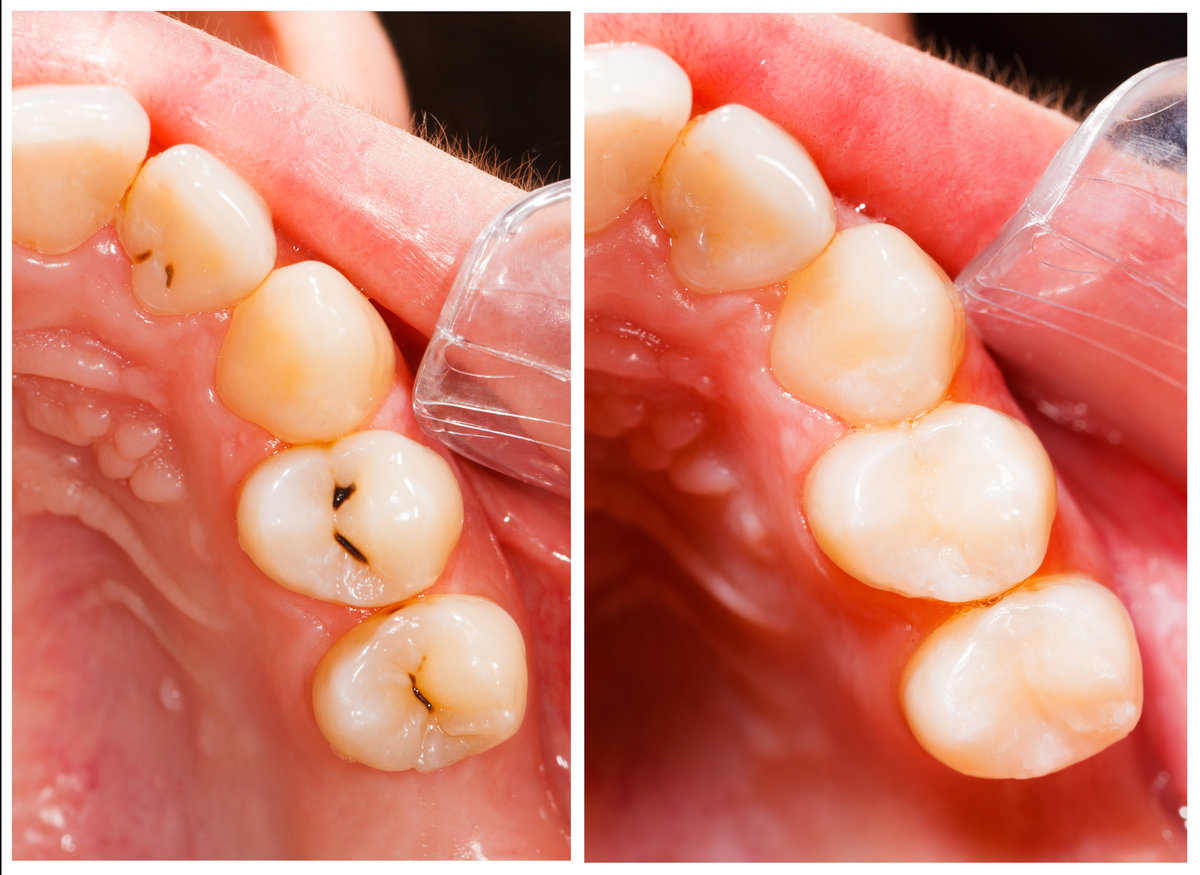
Schedule Your Composite Filling With Kabani Dental
A cavity, chip, or crack does not have to mean a visible, uncomfortable filling. With a composite filling from Kabani Dental, Marietta patients get a restoration that repairs damage while preserving the natural appearance of their smile. Dr. Kabani’s background, which includes training through the Pankey Institute and more than two decades of clinical experience, means every filling is placed with an eye toward both long-term durability and a comfortable patient experience.
We also make treatment easier to manage financially by accepting Cigna, MetLife, and Delta Dental, along with CareCredit, Cherry, HSA, and FSA payments, as well as our in-house membership plan for patients without insurance. If you suspect you have a cavity or a damaged tooth, our team is ready to help you get it treated quickly and comfortably. Contact our office today to schedule your composite filling consultation.
Beautiful Smiles Start Here