

Medically Reviewed by Dr. Shaila Kabani on September 24, 2026
Did you know that dental fillings are among the most common treatments performed in a dentist’s office? Knowing what to expect will make your appointment a lot simpler, from a damaged tooth filling to more permanent procedures.
What are Dental Fillings?
Dental fillings restore decayed teeth. When your dentist finds a cavity, they will clean it out and fill it with a strong material that will allow your tooth to operate correctly and prevent additional deterioration.
What Does a Filling Look Like?
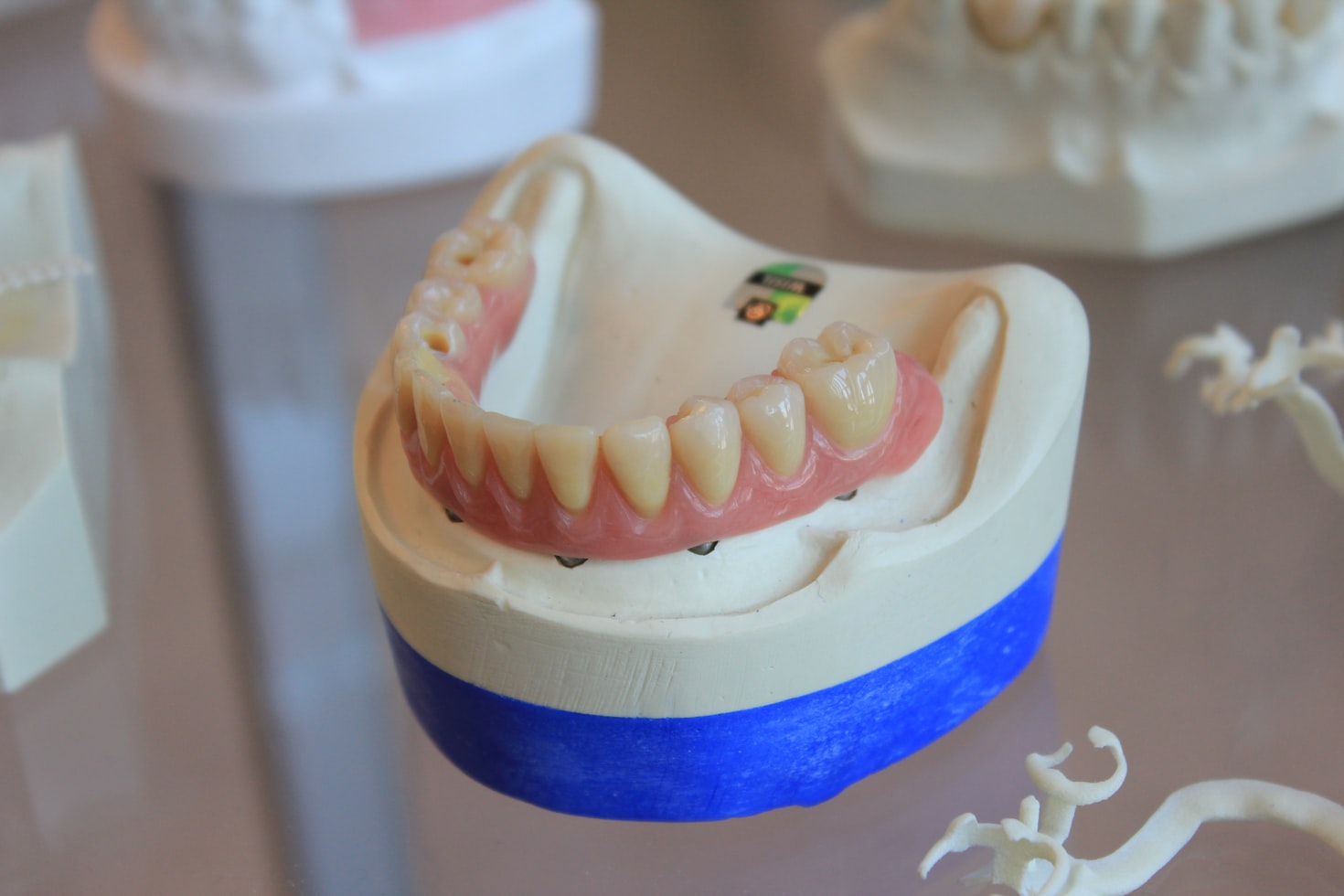
One common question among patients is, “what does a filling look like?” It depends on what kind of filling your dentist performs, but fillings will be a smooth and matched surface on average. Your dentist will want to match your tooth’s color, so it is not noticeably different from the rest of your teeth. They will also want to make sure the new material will not rub against your other molars and cause more problems.
Are Fillings Permanent?
There are various dental fillings you can have in your smile. If a filling is too large, the dentist will place a crown on the tooth once the filling is in place. When you visit the dentist, they will let you know which filling or crown will work best for you.
How Long Does a Filling Last?
It varies from individual to individual, but fillings will last from five to ten years on average. However, several factors can affect how long a filling lasts, including the cause of the decay and your oral hygiene.
What to Expect When You Get a Dental Filling
Typically, it will take your dentist around thirty minutes to perform a filling on a single tooth. In some cases, your dentist will need to remove a large amount of decay, and your appointment will take longer.
While in the dental chair, your dentist will clean your teeth and apply a local anesthetic to numb your gum. Once the area is numb, your dentist will remove any remaining decay and fill the hole with a solid yet tooth-colored substance. You will have to bite against a paper collar to ensure the filling material fuses to your tooth. Once the filling has hardened, your dentist will remove the paper collar and examine the area for any irregularities.
Your dentist will need to place a crown on your tooth in some cases. This is designed to strengthen and protect your tooth and last much longer than a routine filling.
How to Care for Your Dental Filling
The most important part of your dental filling is taking good care of it. After you leave the dentist’s office, make sure to brush your teeth and floss at least twice a day. You also want to schedule regular dental appointments with your dentist. A dental hygienist will clean your teeth, and your dentist will make sure everything is functioning correctly.
How long does a dental filling procedure take?
Most dental fillings take between 30 and 60 minutes per tooth. The time depends on the size and location of the cavity, the type of filling material used, and whether any additional preparation is needed. Your dentist will give you a more specific estimate at your appointment.
Are dental fillings permanent?
Dental fillings are durable but not permanent. Most last between five and fifteen years depending on the material, the size of the filling, and how well you care for your teeth. Composite (tooth-colored) fillings typically last five to ten years, while amalgam fillings can last longer. Regular checkups allow your dentist to monitor fillings and replace them before problems develop.
What types of dental fillings are available?
The most common types are composite resin (tooth-colored), amalgam (silver), ceramic, and gold. Composite resin is the most widely used today because it blends with natural tooth color and bonds directly to the tooth structure. Your dentist will recommend the best material based on the location of the cavity, your bite, and your preferences.
How do I know if I need a dental filling?
Common signs that a filling may be needed include tooth sensitivity to hot, cold, or sweet foods, a visible hole or dark spot on the tooth, pain when biting down, or a rough edge you can feel with your tongue. However, cavities do not always cause pain in the early stages, which is why regular dental exams are important for catching decay before it requires more extensive treatment.
Conclusion
Having dental fillings is a fairly standard procedure, but it’s essential you know what to expect when you leave your dentist’s office. Talk with your dental team about questions or concerns about the filling procedure, so you are comfortable ahead of time.
Call your dentist if you notice any abnormalities in your filling or have any concerns about your new filling. They will be able to perform a routine check-up and let you know if it’s an emergency or something you can wait to address.
Kabani Dental offers you the services of an expert cosmetic dentist in Marietta, GA. Whether it’s a lost dental crown or other restorative dentistry need, we can provide you with top-notch dental services. Contact us today to schedule an appointment!
About the Author
Dr. Shaila Kabani
Kabani Dental, Marietta, GA
Dr. Shaila Kabani has been practicing dentistry since 2000 and has accumulated more than 300 hours of advanced clinical education. She and her team serve patients throughout Marietta, East Cobb, Vinings, and Smyrna, providing comprehensive general, cosmetic, and restorative dental care with a personalized approach at every appointment.