
Dentist Marietta, GA
If your jaw aches every morning or clicks every time you chew, you already know how much a single joint can disrupt daily life. Chronic jaw pain is often dismissed as something to simply manage, but the right treatment can address the source of the discomfort rather than just mask it.
At Kabani Dental, Dr. Shaila Kabani offers TMJ splint therapy for patients experiencing more than just everyday teeth grinding. Dr. Kabani has focused on TMJ and splint therapy throughout more than 20 years of practice, combining this focus with advanced training from the Pankey Institute.

What Makes TMJ Splint Therapy Different
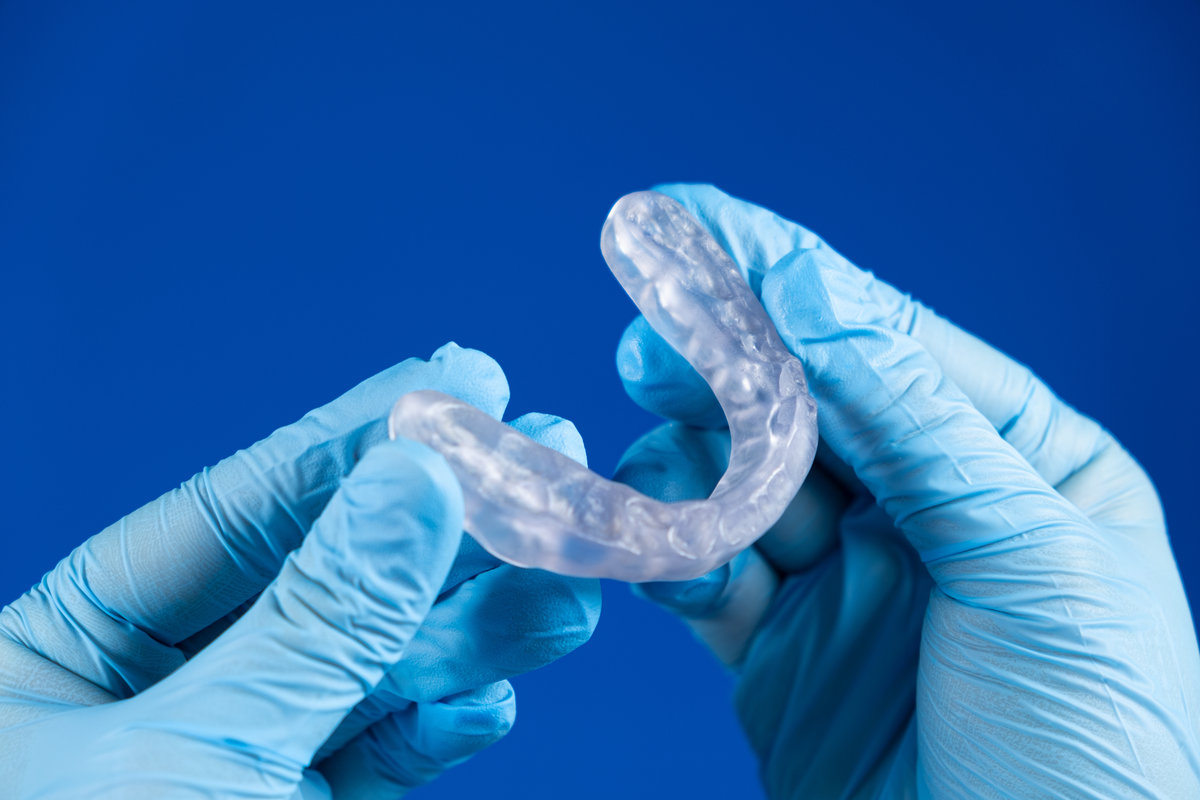
A TMJ splint is often confused with a standard mouthguard, but the two serve very different purposes. A basic night guard creates a barrier between the upper and lower teeth to prevent wear from grinding, while a TMJ splint is engineered to correct how the jaw itself functions.
Patients considering TMJ splint therapy are usually dealing with more than occasional discomfort. Common signs include persistent jaw pain, clicking or popping when opening the mouth, difficulty chewing, frequent headaches, or a jaw that feels like it locks or shifts unpredictably. Research published in the Saudi Dental Journal explains that occlusal splints are designed to protect the temporomandibular joint from dysfunctional stress that can lead to lasting damage, underscoring why an accurate diagnosis matters before treatment begins.
Because TMJ dysfunction often develops gradually, many patients do not realize how much strain has built up in the joint until pain becomes part of their daily routine. Addressing the underlying misalignment, rather than only managing symptoms, is what separates true splint therapy from a generic protective appliance.
How We Approach Your Treatment
Every TMJ splint we create begins with a thorough evaluation of your bite, jaw movement, and joint function. Dr. Kabani examines how your upper and lower teeth meet, checks for signs of joint strain, and discusses your symptoms before recommending a treatment path suited to your case.
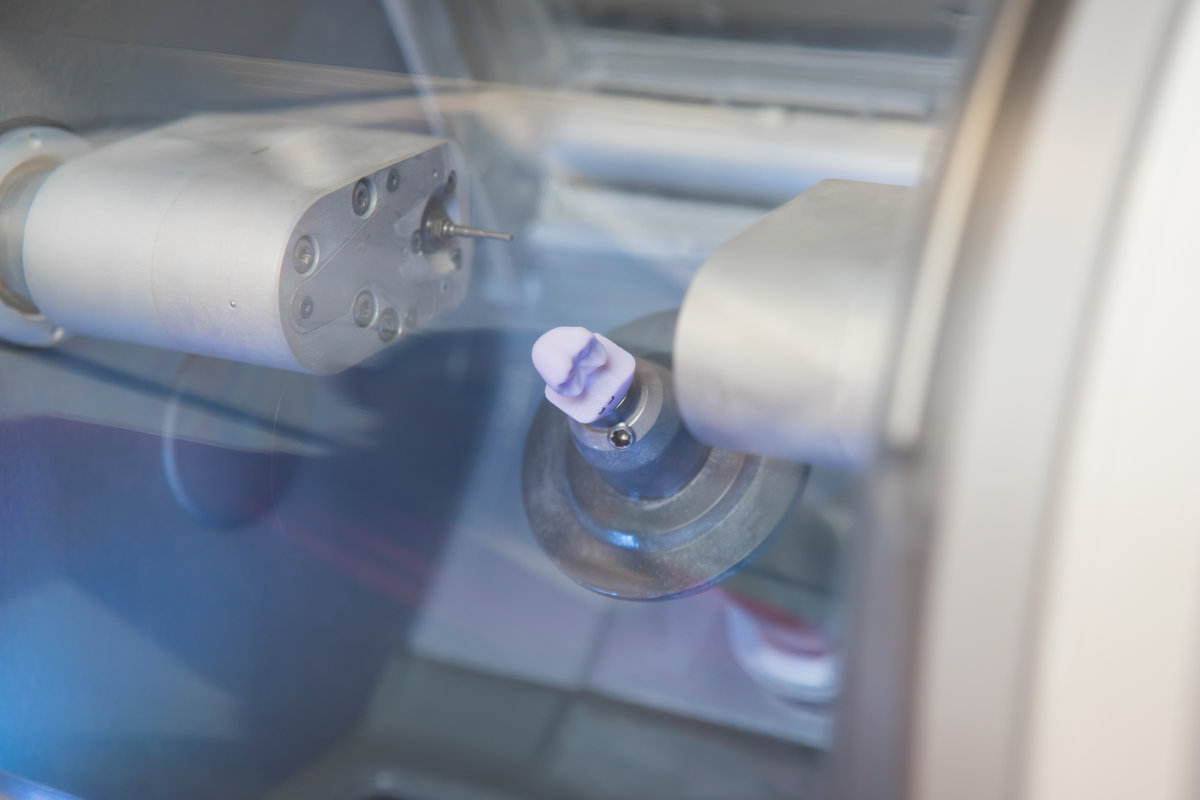
Once we understand the source of your discomfort, we design a custom splint intended to guide your jaw into a more balanced position and relieve pressure on the joint itself. We rely on advanced digital impressions and our in-office 3D printing technology to fabricate each splint with precision, which allows us to produce a device that fits accurately from the very first appointment rather than requiring multiple rounds of adjustment.
Throughout treatment, we monitor your progress and refine your splint as needed to ensure it continues addressing your symptoms effectively. This ongoing partnership reflects our broader approach to care, where we team up with patients rather than simply handing them an appliance and sending them on their way.
TMJ Splint Therapy Versus a Standard Night Guard
We understand it can be difficult to know which appliance fits your situation, so it helps to see the two options side by side. If your primary concern is protecting your teeth from nighttime grinding without underlying joint dysfunction, our custom night guards may be the more appropriate solution.
TMJ splint therapy is reserved for patients with more significant joint involvement, including diagnosed TMJ disorders, chronic jaw pain, or dysfunction that a standard guard cannot resolve. The differences between the two typically include the following considerations.
- Purpose: A night guard protects teeth from grinding, while a TMJ splint is designed to treat joint dysfunction and correct bite alignment.
- Complexity: Night guards follow a simpler fabrication process, while splints require a detailed evaluation of jaw mechanics and joint positioning.
- Symptoms addressed: Night guards primarily prevent enamel wear, while splints target pain, clicking, and restricted jaw movement.
- Oversight: Splint therapy typically involves closer monitoring and adjustments as your jaw responds to treatment.
Understanding this distinction helps you and Dr. Kabani decide on the right path forward, because choosing the wrong appliance can leave the true source of your discomfort unaddressed.
When to Consider Seeking Treatment
Jaw pain that lingers for weeks, worsens over time, or interferes with basic functions like eating and speaking is a sign your TMJ may need focused attention. Patients sometimes delay seeking care because symptoms fluctuate, but untreated TMJ dysfunction can lead to more significant discomfort and complications down the road.
If you have already tried an over-the-counter mouthguard without relief, that often suggests a need for a customized approach instead. Severe TMJ damage responds best to treatment designed around your specific anatomy and symptoms, which is why we encourage patients to schedule an evaluation rather than continuing to manage pain on their own. Our team also provides same-day emergency appointments for patients experiencing sudden or severe jaw pain that cannot wait for a routine visit.
Schedule Your Consultation With Kabani Dental
Jaw pain does not have to be something you simply live with, and finding the right treatment starts with an accurate diagnosis from a provider who understands the complexity of TMJ dysfunction. Dr. Shaila Kabani brings a strong background in TMJ and splint therapy, along with over 20 years of practice experience and advanced training from the Pankey Institute, to help patients throughout Marietta find lasting relief.
At Kabani Dental, we combine this clinical focus with the same technology-forward, family-style care found throughout our practice, including in-office 3D printing that allows us to fabricate your custom splint with precision. Contact our office today to schedule your TMJ evaluation.
Beautiful Smiles Start Here