

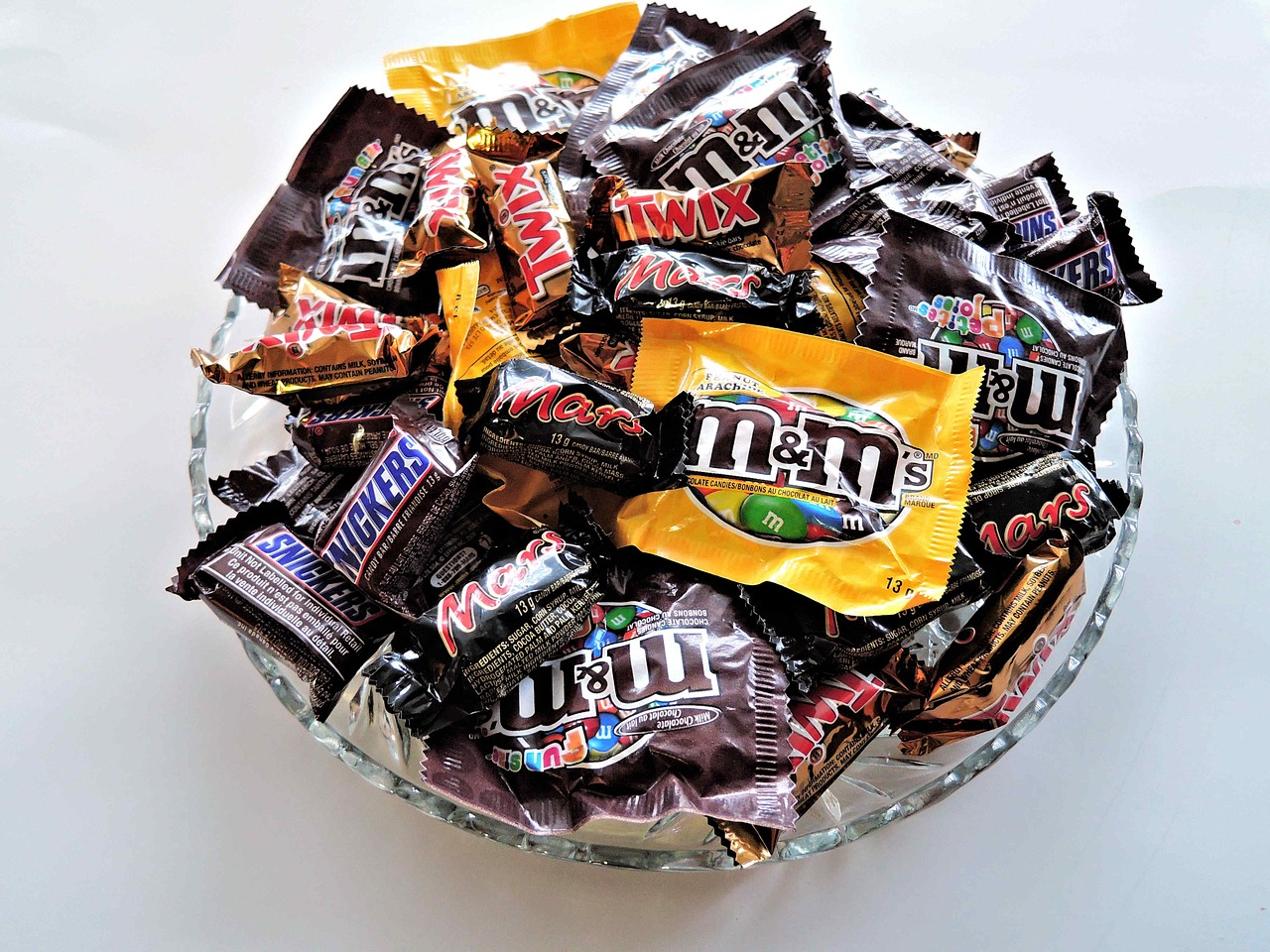
Halloween season brings more candy into most homes than any other time of year, and for families with children, managing all that sugar thoughtfully is one of the more practical dental health challenges of the fall. The holiday is worth celebrating fully, and a few simple habits can make a real difference in how much impact the extra sugar has on everyone’s teeth.
At Kabani Dental in Marietta, Georgia, our team sees an uptick in candy-related concerns in the weeks after Halloween every year. The preventive care guidance we share with families year-round applies especially now, and a few specific choices during Halloween week can help protect enamel and keep cavities at bay.
Choose Candy That Does Less Damage
Not all Halloween candy affects teeth equally. Sticky varieties, such as caramel, taffy, and gummy candies, cling to tooth surfaces and stay there long after eating, giving cavity-causing bacteria more time to work on the sugar. Hard candies dissolve slowly, which means teeth stay in prolonged contact with sugar throughout the time it takes to finish one piece. Chocolate, on the other hand, washes off teeth more easily and is generally a lower-risk choice compared to sticky or sour options.
If you have the opportunity to sort through a candy collection after a trick-or-treating night, setting aside the stickiest and hardest varieties and keeping them to a minimum is a meaningful practical step.
Set a Candy Time Instead of Grazing
When and how candy is consumed matters as much as how much is consumed. Repeated sugar exposure throughout the day, even in small amounts, means teeth face acid attacks back to back with little recovery time in between. Eating candy as part of a meal rather than snacking on it steadily through the day allows saliva to neutralize acid and rinse the mouth between exposures.
A designated candy time, followed by brushing, is significantly better for teeth than allowing children to dip into the candy bowl freely throughout the day. Keeping the collection in one place rather than distributed in easy-to-grab spots makes it simpler to manage how often candy is actually eaten.
Keep the Oral Hygiene Routine Intact
The most preventable dental harm during Halloween season often comes not from the candy itself but from the disruption to the regular brushing and flossing routine. Late nights, sugar highs, and general chaos make it easy for the usual bedtime routine to get skipped. Making brushing a non-negotiable part of the evening, even on the busiest Halloween nights, goes a long way toward limiting the effect of any extra sugar consumed that day.
Children who are old enough to floss should continue flossing as usual. Sticky candy residue left between teeth overnight is exactly the scenario that most reliably leads to cavities.
Consider Non-Candy Alternatives
Sugar-free versions of many popular candy brands are now widely available at grocery stores. Sugar-free gum sweetened with xylitol is a particularly good option because xylitol has been shown to actively inhibit the growth of cavity-causing bacteria. Non-candy items like stickers, small toys, pencils, or Halloween-themed erasers are appreciated by younger children and are a practical choice for households that want to reduce the overall sugar load without opting out of the holiday entirely.
What types of Halloween candy are worst for teeth?
Sticky candies like caramel, taffy, and gummies are among the most damaging because they adhere to tooth surfaces and are difficult to rinse away. Hard candies extend the duration of sugar exposure because they dissolve slowly in the mouth. Sour candies combine sugar with acid, which can erode enamel more quickly than sugar alone. Chocolate washes off teeth more readily and is generally the lower-risk choice among common Halloween treats.
Should children brush immediately after eating candy?
Waiting about 30 minutes before brushing is actually preferable to brushing immediately, particularly after sour or acidic candy. Acid temporarily softens enamel, and brushing too soon after acidic exposure can wear it away more quickly. Rinsing with water right after eating candy is a good immediate step, followed by brushing once the enamel has had time to reharden.
How much Halloween candy is okay for children to eat?
There is no precise limit, but frequency matters more than quantity in a single sitting. Spreading candy consumption throughout the day is harder on teeth than eating a portion in one sitting and then brushing. Limiting candy to specific times, keeping hard and sticky varieties to a minimum, and maintaining the brushing routine are more meaningful protective steps than focusing on an exact piece count.
What if my child already has a cavity from Halloween candy?
Small cavities caught early are straightforward to treat with a simple filling. The key is not waiting until there is pain or visible damage, since both signals indicate a more advanced problem. Scheduling a routine dental exam shortly after Halloween is a good way to catch any developing issues while they are still minor. Kabani Dental can assess your child’s teeth and recommend the right next step.
Kabani Dental in Marietta, GA
Halloween is one of the most fun times of the year, and with a little planning, it does not have to take a toll on your family’s dental health. Our team at Kabani Dental is here year-round to support preventive care, answer questions about your children’s oral health, and help address any concerns before they become bigger issues.
Want to schedule a post-Halloween checkup or a routine exam? Contact Kabani Dental today to set up an appointment in Marietta, GA.