

Most people know they should brush twice a day with a soft-bristled toothbrush and fluoride toothpaste. What gets far less attention is the toothbrush itself — whether it is being maintained properly, how often it is replaced, and whether it is actually doing what it should between professional cleanings.
At Kabani Dental, preventive guidance is a core part of every visit at our dental cleaning and checkup appointments in Marietta. Here are five weekly practices that keep your toothbrush hygienic and effective.
Store Your Toothbrush Correctly
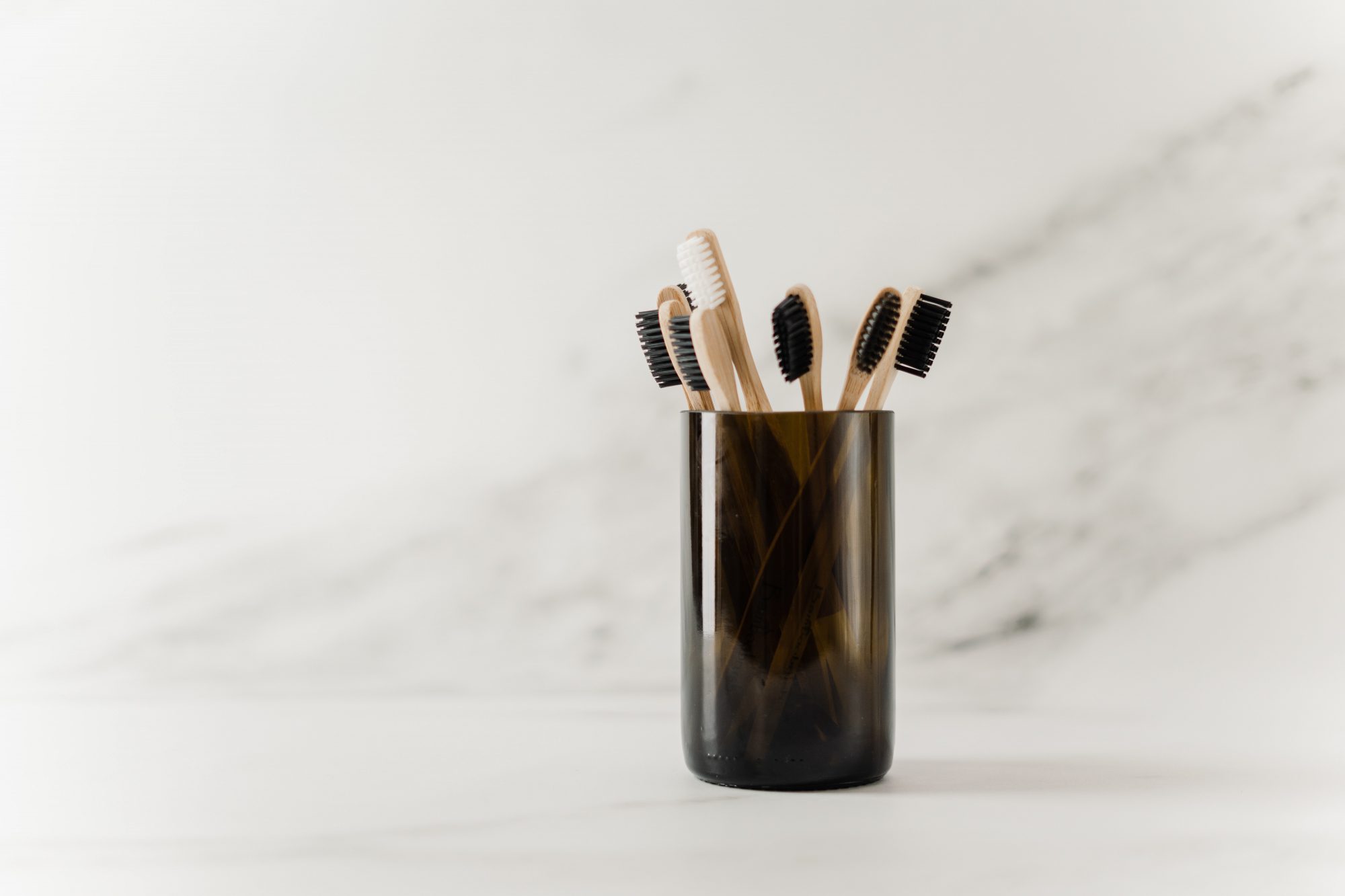
Where you keep your toothbrush matters as much as how you use it. Store your brush head-up in an upright cup or holder that allows air to circulate and water to drain. A brush left flat or sealed in a closed container retains moisture, which encourages bacterial growth. Keep it at a reasonable distance from the sink and toilet — brush heads placed near plumbing fixtures are exposed to splatter and airborne contamination that you would rather avoid. A breathable holder in a dry spot on the counter is the simplest solution.
Boil the Bristles to Reduce Bacterial Buildup
Boiling is one of the most effective ways to kill bacteria that accumulate on bristles between uses. Bring a small amount of water to a full boil and submerge just the brush head for two to three minutes. The heat can be slightly rough on the plastic handle over time, but since toothbrushes should be replaced every three months anyway, a periodic boil is worthwhile for the hygiene benefit. Let the brush cool completely before using it again.
Apply Antibacterial Mouthwash to the Bristles
Soaking the brush head in a small cup of antibacterial mouthwash for a few minutes after brushing kills many of the bacteria left behind from use. This is a quick, low-effort step that does not require any heat or extended drying time. It also leaves the bristles with a fresh scent, which is a minor benefit that makes it easier to maintain the habit consistently. Rinse the brush briefly before your next use.
Run It Through the Dishwasher
The upper rack of a dishwasher provides enough heat and agitation to sanitize a toothbrush effectively. Place it bristle-side up in the utensil compartment and run it through a normal cycle. If possible, select a lower temperature setting to reduce the chance of warping the handle. This method works well once a week and requires no extra effort on your part beyond remembering to include the brush in the load. Avoid placing it bristle-side down, where it cannot drain properly.
Consider a UV Sanitizer for Consistent Results
A UV sanitizer uses ultraviolet light to neutralize bacteria on the brush in a few minutes without heat or chemicals. Models designed specifically for toothbrushes are compact enough for countertop or travel use, and they produce consistent results with minimal effort. The upfront cost is higher than the other methods described here, but for households where multiple people share a bathroom, a UV sanitizer can be a practical way to manage oral hygiene without adding steps to anyone’s routine.
How often should I replace my toothbrush?
Every three to four months, or sooner if the bristles are visibly frayed or splayed. A worn brush does not clean as effectively and may be harder on gum tissue. Replace it right away after recovering from an illness to avoid reintroducing bacteria from the old bristles.
Can sharing a toothbrush holder spread bacteria between family members?
Brush heads that touch each other can transfer bacteria between users. Use separate holder slots or individual covered cases so heads are not in contact. This is especially worth attention in households with young children or anyone with a compromised immune system.
Is an electric toothbrush more hygienic than a manual one?
Both types can be maintained equally well. Electric toothbrushes do more of the mechanical work automatically and may make it easier to brush for the full recommended two minutes. The same storage and replacement guidelines apply to both. The best toothbrush is the one you use consistently and replace on schedule.
Does the type of toothpaste affect how clean the brush stays?
The toothpaste primarily affects what it does for your teeth rather than the hygiene of the brush itself. Rinsing the bristles thoroughly after each use removes residue that can harbor bacteria when left on the brush. A thorough rinse after every brushing session is the most important habit for keeping bristles clean between sanitizing sessions.
Keep Your Full Oral Health Routine Strong at Kabani Dental in Marietta
A clean toothbrush is one piece of a larger picture. Regular professional cleanings catch what daily brushing cannot, and a thorough exam can spot the early signs of problems that are much easier to address when found early. At Kabani Dental, we are committed to helping patients throughout Marietta maintain a standard of excellent oral health at every visit.
Contact the team at Kabani Dental to schedule your next cleaning or checkup and keep your routine on track.