

Reviewed by Dr. Shaila Kabani on September 22, 2026
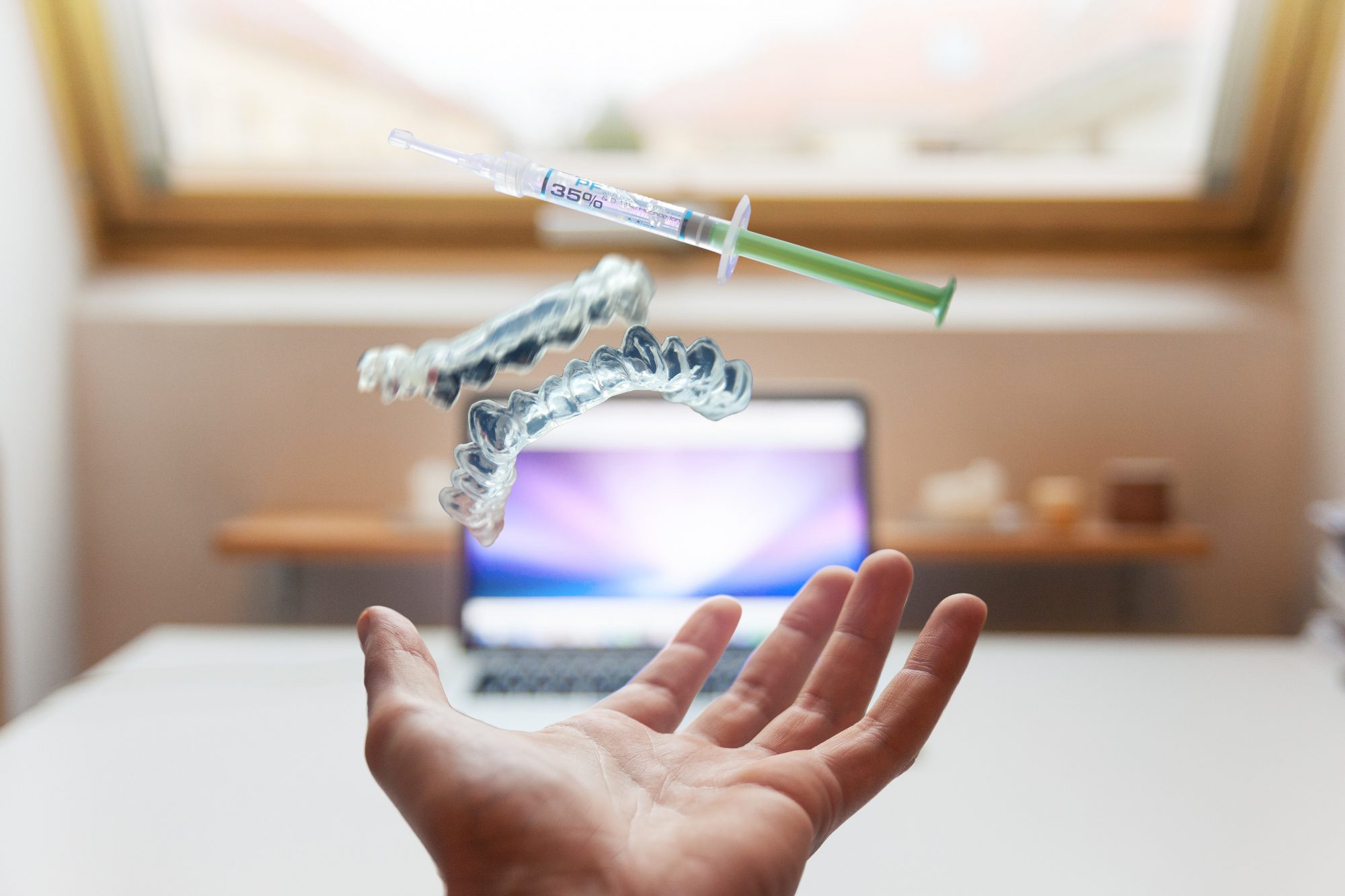
Clear aligners changed orthodontics because they offered something traditional braces couldn’t: the ability to straighten your teeth without making your mouth the first thing people notice. But the day-to-day advantages go further than appearance. For patients who have worn clear aligners, the practical benefits become apparent quickly, often in ways they didn’t fully anticipate when they started treatment.
At Kabani Dental in Marietta, GA, Dr. Shaila Kabani and her team offer clear aligner therapy for patients who want straighter teeth without the lifestyle disruptions that come with metal hardware. With over 20 years of clinical experience and more than 300 hours of advanced education, Dr. Kabani brings a precise, patient-centered approach to every orthodontic consultation.
They Are Virtually Invisible During Wear
The most well-known advantage of clear aligners is also one of the most consequential for adults and teenagers who are self-conscious about the idea of orthodontic treatment. The aligners are made from transparent thermoplastic material that closely conforms to your teeth. At typical conversational distances, they are essentially undetectable.
For professionals, students, or anyone who photographs frequently, the difference between a visible appliance and a clear one can determine whether someone pursues orthodontic treatment at all. Clear aligners remove that barrier. You can smile, speak, and appear in photos throughout treatment without the appliance drawing attention.
They Can Be Removed for Eating and Oral Hygiene
Metal braces stay in your mouth continuously for the full treatment period, which means your diet, your brushing routine, and your overall experience are shaped by that permanence. Clear aligners work differently. You remove them before eating and drinking anything except water, which eliminates the dietary restrictions that accompany fixed appliances.
There are no forbidden foods and no need to carefully work around brackets and wires when you brush or floss. Your oral hygiene routine stays essentially the same throughout treatment, which matters for both convenience and for maintaining gum health during a period when your teeth are actively moving. Aligners should be worn 20 to 22 hours per day for optimal progress, but the flexibility of the remaining hours makes a significant practical difference.
They Are More Comfortable Than Braces
Clear aligners are made from smooth plastic rather than metal, which means there are no brackets to irritate the inside of your cheeks and no wires to poke at the soft tissue of your mouth. For patients who have worn braces in the past, the comfort difference is immediately apparent. For patients who have never had orthodontic treatment, the absence of metal hardware makes the adjustment period considerably shorter.
Each new set of aligners applies a controlled, gentle force to move your teeth incrementally toward their target positions. Some pressure and mild soreness are normal when you advance to a new tray, typically for the first day or two, but the force is calibrated to be gradual. Most patients find this significantly more manageable than the periodic tightening appointments associated with traditional braces.
Treatment Requires Fewer In-Office Appointments
Traditional orthodontic treatment involves frequent check-in appointments, often every four to six weeks, for adjustments, wire changes, and monitoring. Clear aligner treatment generally requires fewer in-person visits because the full series of trays is planned digitally upfront and you progress through them at home on a set schedule.
Many clear aligner systems also include remote monitoring options, where you scan your teeth at home and your provider reviews your progress between appointments. This reduces the total number of office visits without reducing oversight of your treatment, which is a meaningful convenience for patients with busy schedules.
Schedule Your Clear Aligner Consultation at Kabani Dental
Clear aligners are not the right fit for every orthodontic case, but for mild to moderate alignment issues, they offer a combination of discretion, comfort, and convenience that traditional braces cannot match. Dr. Kabani will evaluate your teeth and give you an honest assessment of whether clear aligners are appropriate for your specific situation during your consultation.
We serve patients throughout Marietta, East Cobb, Vinings, and Smyrna. Contact our office to schedule your appointment and find out whether clear aligner therapy is the right next step for your smile.
Frequently Asked Questions About Clear Aligners
How long does clear aligner treatment take?
Treatment length varies based on the complexity of your case. Minor alignment issues may be resolved in as few as six months, while more involved cases can take 12 to 18 months or longer. Dr. Kabani will map out a realistic timeline during your consultation based on the specific tooth movements your case requires.
Are clear aligners as effective as traditional braces?
For mild to moderate alignment issues, clear aligners produce outcomes comparable to traditional braces. They are particularly effective for crowding, spacing, and many bite alignment concerns. Cases involving significant skeletal discrepancies or very severe crowding may still require traditional orthodontics. A thorough evaluation is the most reliable way to determine which option fits your situation.
What happens if I don’t wear my aligners for the full 22 hours a day?
Consistent wear is the most important factor in keeping your treatment on track. Wearing aligners for fewer hours than prescribed slows tooth movement and can extend your overall treatment timeline. In some cases, it can cause your current tray to stop fitting properly, which may require additional trays or a revised treatment plan. Most patients find it helps to remove aligners only for meals and oral hygiene rather than at other times.
Will I need a retainer after clear aligner treatment?
Yes. Retainer wear after orthodontic treatment is necessary regardless of whether you used clear aligners or braces. Teeth naturally tend to shift back toward their original positions once active treatment ends, and a retainer maintains your results. Most patients wear retainers nightly long-term after treatment concludes. Dr. Kabani will advise you on the appropriate retainer protocol for your case.
About the Author
Dr. Shaila Kabani
Kabani Dental, Marietta, GA
Dr. Shaila Kabani has been practicing dentistry since 2000 and has accumulated more than 300 hours of advanced clinical education. She and her team serve patients throughout Marietta, East Cobb, Vinings, and Smyrna, providing comprehensive general, cosmetic, and restorative dental care with a personalized approach at every appointment.